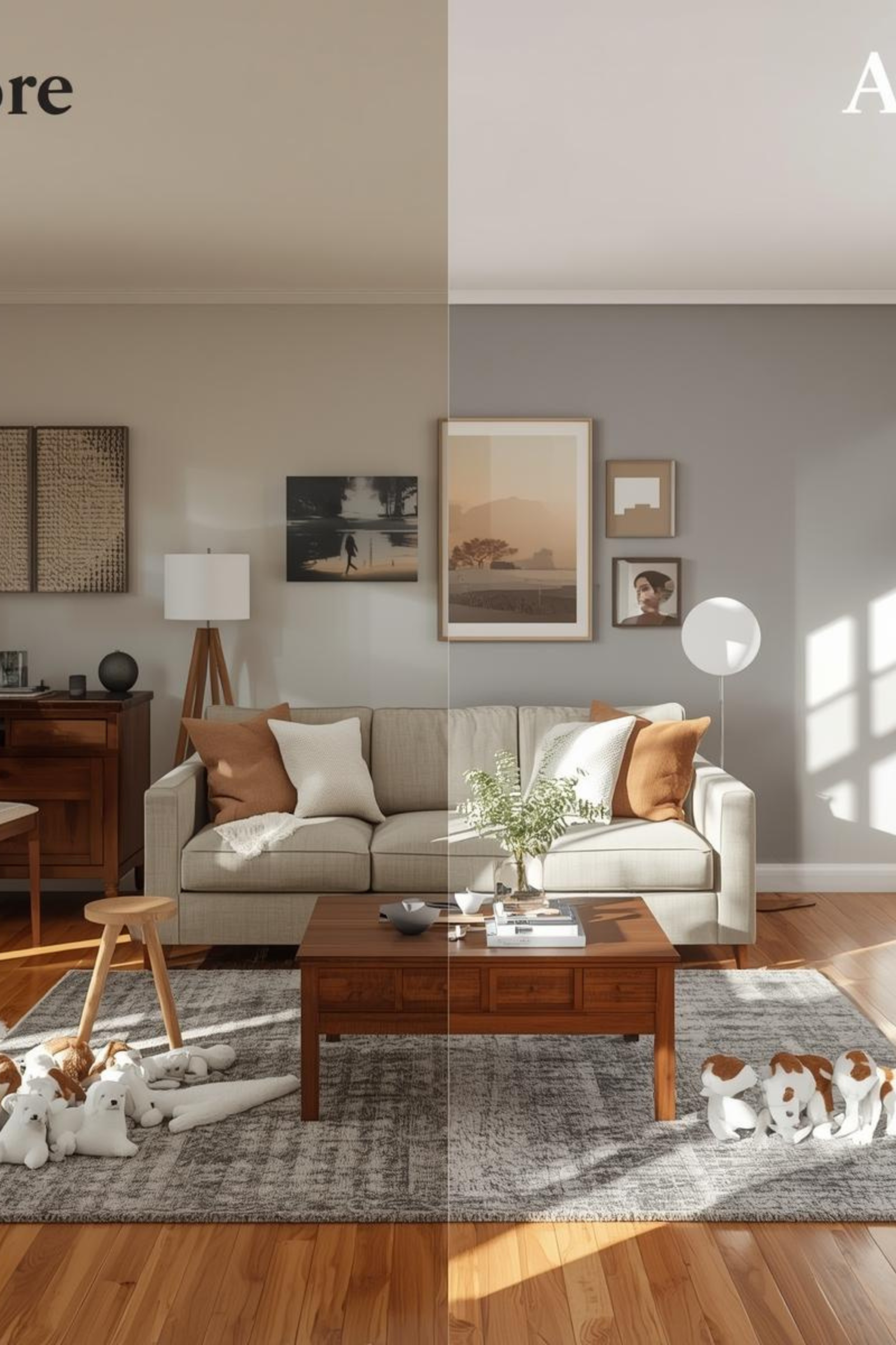
المنزل الذي يريحي أعصابك: تجربتي الشخصية في تحويل ركن صغير إلى مساحة ‘تتنفس’ بعيداً عن صخب المدينة
هندسة المرايا: كيف تخدعين البصر وتضيفين “أمتاراً وهمية” لصالتكِ الصغيرة؟
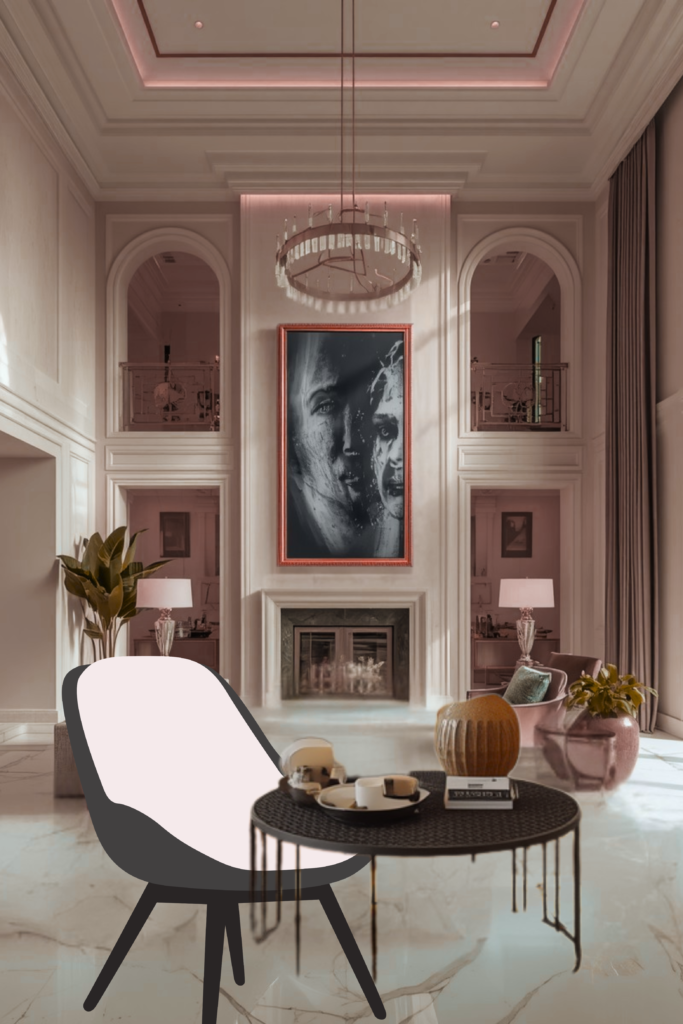
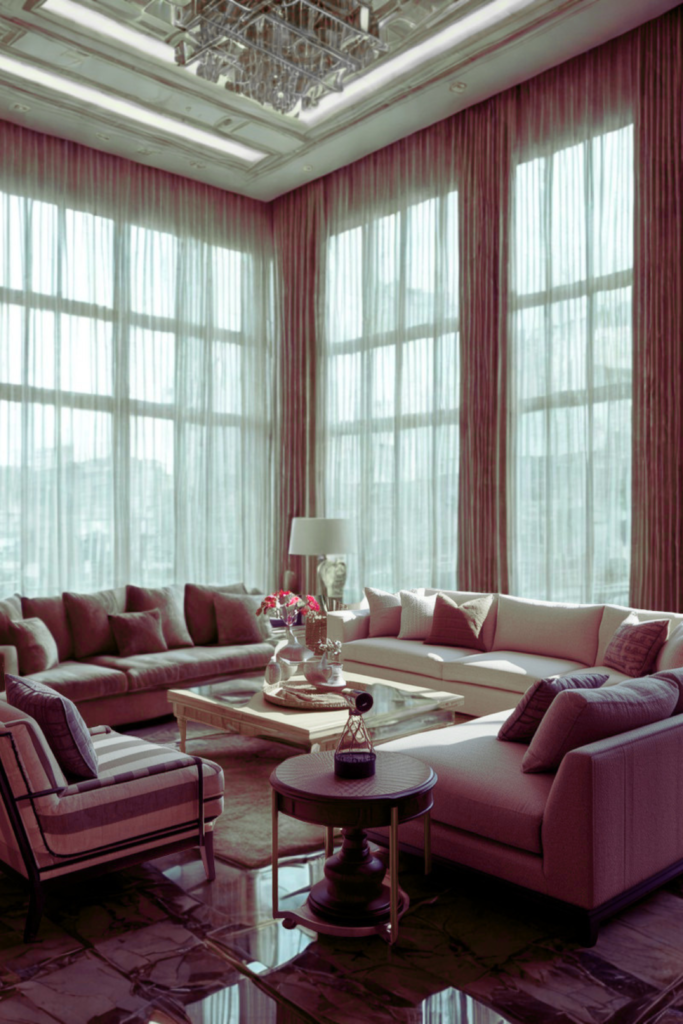
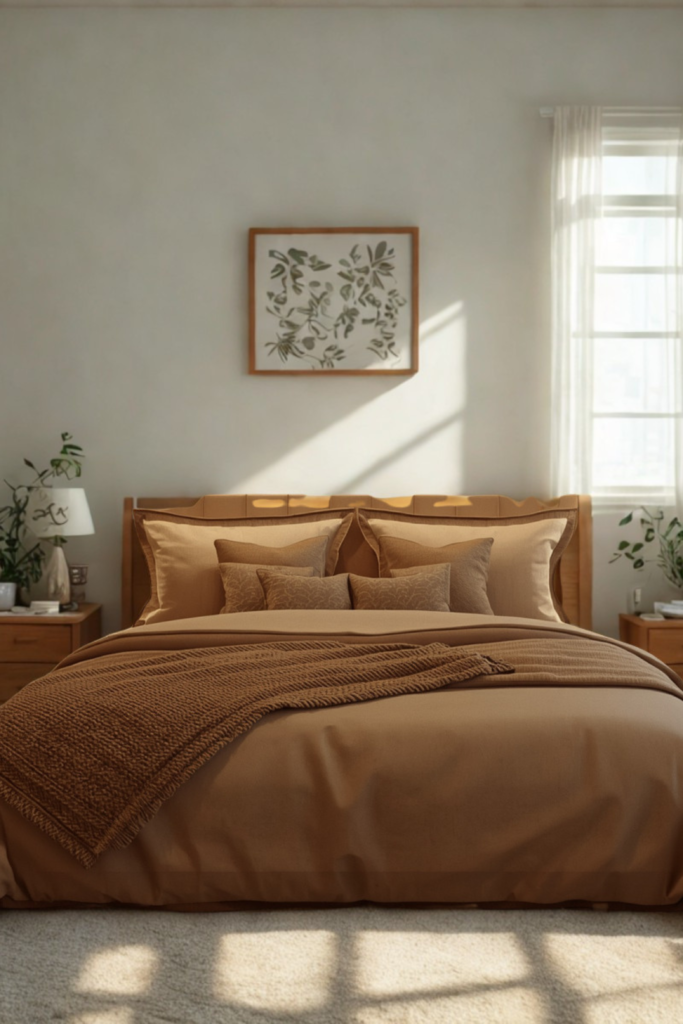
المشاكل اللي واجهتها
– صالتي صغيرة جدًا، وكل قطعة أثاث كانت تخنق المساحة.
– الألوان متناقضة وتخلي الجو مزدحم بصريًا.
– الإضاءة ضعيفة وما تبرز جمال المكان.
– غياب لمسة شخصية يخلي الصالة باردة وكأنها غرفة انتظار.
الحلول اللي جربتها
– اخترت أثاث صغير الحجم لكن عملي، مثل كراسي خفيفة وطاولة جانبية.
– اعتمدت ألوان محايدة (بيج، رمادي فاتح) مع لمسات ذهبية تعطي فخامة.
– ركزت على إضاءة سبوتات بالسقف + أباجورات جانبية لجو دافئ.
– أضفت لمسات شخصية مثل لوحات صغيرة وصور عائلية.
الأفكار اللي صنعت الفرق
– استخدام **مرايا كبيرة** تعكس الضوء وتوسع المكان بصريًا.
– إضافة **رفوف عائمة** بدل خزائن ضخمة لتوفير مساحة.
– ترتيب الجلسة بشكل دائري يفتح مجال للحركة.
– دمج قطع ديكور صغيرة فخمة (مثل مزهرية كريستال أو إكسسوارات ذهبية).
لماذا تشتري ديكور داخلي؟
– لأنه يحول الصالة من مساحة ضيقة إلى **مكان أنيق ومريح**.
– يساعدك على تنظيم الأثاث بشكل عملي وذكي.
– يرفع قيمة البيت ويخلي استقبال الضيوف مميز.
– يعطيك إحساس بالرفاهية اليومية مو بس بالمناسبات.
المميزات اللي حصلت عليها
– **تنظيم أفضل**: كل قطعة لها مكان ووظيفة واضحة.
– **راحة نفسية**: الألوان والإضاءة تخدم مزاجي.
– **لمسة شخصية**: الصالة صارت تحكي قصتي.
– **ستايل مودرن لوكجري**: مزيج بين البساطة والفخامة.
فوائد الديكور الداخلي
– يوسع المساحة بصريًا باستخدام توزيع ذكي.
– يضيف حياة وانتعاش بوجود نباتات طبيعية.
– يخلي البيت مكان اجتماعي أجمل للضيوف.
– يخلق جو هادئ يساعد على الاسترخاء بعد يوم طويل.
—
✨ النتيجة: صالتي الصغيرة تحولت من مساحة ضيقة ومزدحمة إلى مكان أنيق، عملي، ويعكس شخصيتي. التجربة علمتني إن الديكور الداخلي مو رفاهية، هو أساس الراحة والجمال العملي.
إليك بعض المقالات المهمة التي سوف تحل جميع مشاكلك
